
The weaving issue in DUI cases
/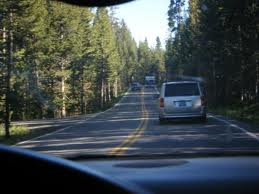
There has been a large amount of case law which discusses whether or not a police officer is legally justified in pulling over a driver who is weaving - and then discovering that the driver is under the influence or over the legal limit. If a DUI defense lawyer can prove to the judge that the weaving was not that bad, then the whole DUI will essentially get dismissed. Therefore, many DUI defense lawyers will argue that the weaving was not sufficient enough to give the officer "reasonable suspicion" to believe that the driver was committing a traffic offense - specifically a "marked lanes" violation. Many of the opinions issued by courts of appeals focus on how close to (or over) the lane line the car traveled. If the car just weaved within its lane or just slightly touched either lane lines, many courts will conclude that this type of weaving is not enough. In that regard, dash cam videos (if they are available) have become more and more important to analyze in order to see just how much weaving was going on. We constantly analyze court opinions to try and gauge where the courts are going on this issue. Some courts of appeals judges (there are three for each appeal) will often disagree with each other in the actual written opinion. That is why there are three judges instead of two - can't have a tie on these opinions.
Call us or email with any other questions.