
When the Court Orders Supervised Visitation: A Real Custody Case Outcome
We were recently able to obtain what is called a “supervised visitation” order for a young mother in a custody dispute.
We were recently able to obtain what is called a “supervised visitation” order for a young mother in a custody dispute.
She had to show the Court that this special type of order was necessary in this particular case (not an easy task).
The father now must use a special device to monitor his alcohol use and must engage in a court supervised program to get any visitation.
DUI Charge Reduced After Careful Review of the Evidence
Our review of the body cam and our validation of the previous encounter went quite well in this case.
We were recently able to get the prosecutor and the Court in a mid-Ohio court to reduce a DUI for a young woman who had what one would call a very bad night (before the arrest).
She had been fleeing a violent encounter with another person, and (nevertheless) did relatively well on the field sobriety tests administer by an Ohio State Trooper.
Our review of the body cam and our validation of the previous encounter went quite well in this case.

What Is an Independent Medical Exam in a Personal Injury Case?
We just had a client experience what the personal injury world calls a “independent medical exam” (“IME”).

We just had a client experience what the personal injury world calls a “independent medical exam” (“IME”).
The insurance defense lawyers to use an IME (with doctors hired by the insurance companies) to minimize the injury to an injured plaintiff.
Nevertheless, we had prepared our client for what to expect with this jaded process, and she did very well.
Stay tuned for potential updates on this unique personal injury case.
How Strategic Defense Helped Our Client Secure Diversion
We were recently able to get a client into what is called “diversion” in a case where he was arrested for an embarrassing charge.
We were recently able to get a client into what is called “diversion” in a case where he was arrested for an embarrassing charge.
Getting a client into one of these programs takes a fair amount of objective investigation and argument with the local prosecutor.
Not an every-day event in the criminal defense world.
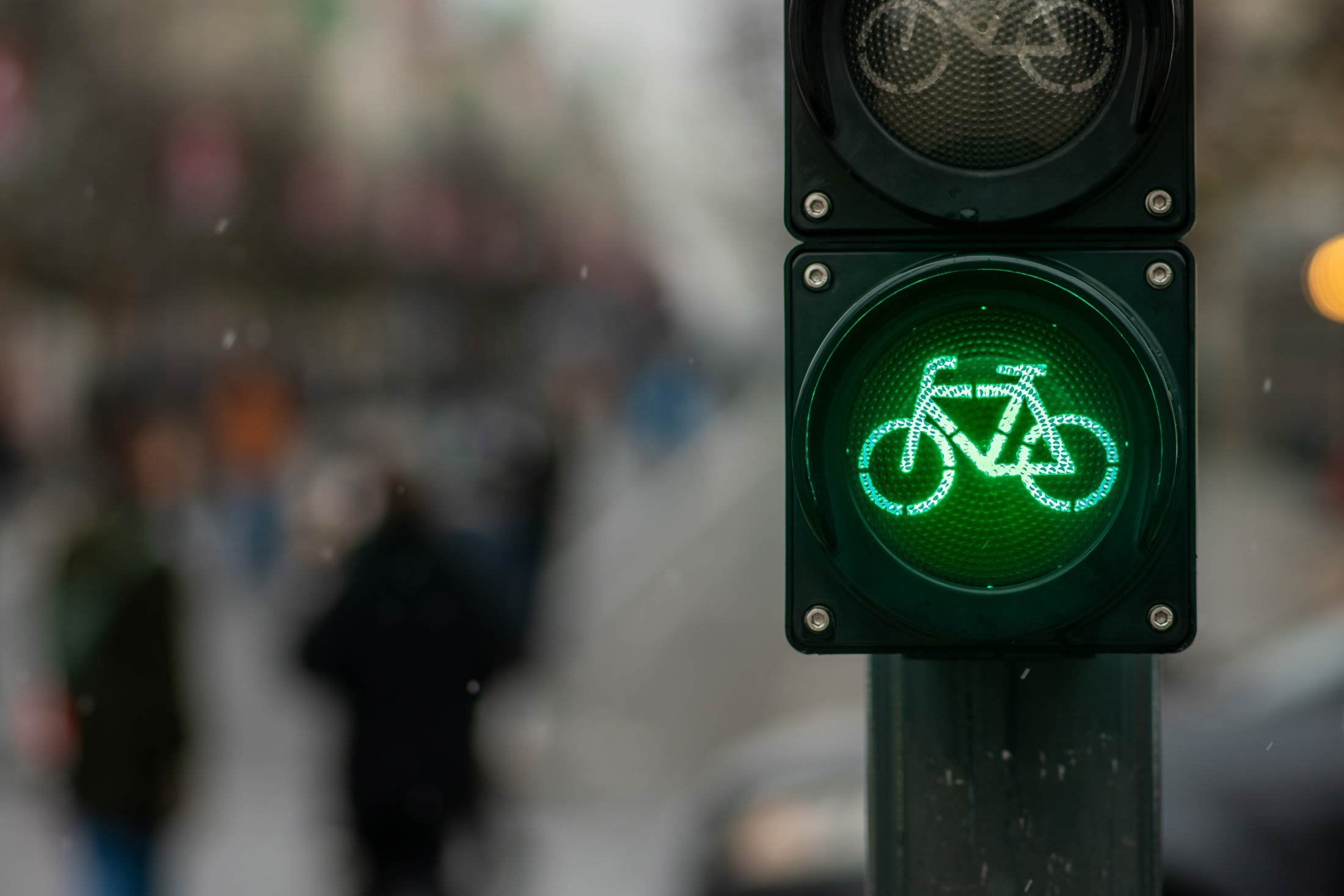
Spring Brings Motorcycles and Bicycles Back to the Road: What Drivers Should Know
Understanding the risks and practicing greater awareness can help everyone stay safer as roadways become more active.
As temperatures begin to rise and winter fades away in Northeast Ohio, more people are eager to get outside and enjoy the fresh air.
Spring marks the return of motorcyclists and bicyclists to local roads, bike paths, and city streets. While this seasonal shift is welcome for many, it also creates a period of adjustment for drivers who may not have shared the road with riders for several months.
At Lipson O’Shea Legal Group, we often see an increase in motorcycle and bicycle accidents during the early spring months. Understanding the risks and practicing greater awareness can help everyone stay safer as roadways become more active.
Why Springtime Accidents Are More Common
After a long winter, many drivers simply are not used to watching for motorcycles and bicycles. These vehicles are smaller, move differently in traffic, and can be harder to spot—especially when drivers are distracted or in a hurry.
At the same time, motorcyclists and cyclists are returning to the road after months of limited riding, sometimes navigating potholes, debris, or uneven pavement left behind by winter weather.
The combination of these factors can increase the likelihood of accidents.
Common Causes of Motorcycle and Bicycle Accidents
Many accidents involving riders occur because drivers fail to recognize or anticipate their presence. Some of the most common causes include:
Failure to yield when turning left, especially at intersections
Drivers changing lanes without checking blind spots
Distracted driving, including texting or adjusting navigation
Opening vehicle doors into the path of a cyclist (“dooring”)
Speeding or aggressive driving near riders
Because motorcycles and bicycles offer far less physical protection than passenger vehicles, even a minor collision can result in serious injuries.
Safety Reminders for Motorists
A little extra awareness goes a long way when sharing the road with riders. Drivers can help reduce the risk of accidents by keeping a few key habits in mind:
Look twice at intersections. Motorcycles and bicycles can be easy to miss at first glance.
Check blind spots carefully. Riders are often traveling beside vehicles or between lanes of traffic.
Give riders space. Ohio law requires motorists to allow at least three feet when passing a bicycle.
Be patient. Slowing down briefly behind a cyclist or motorcycle is far safer than attempting a risky pass.
These simple precautions help ensure that everyone arrives safely at their destination.
The Legal Rights of Injured Riders
When a motorcycle or bicycle accident occurs due to a driver’s negligence, injured riders may have the right to pursue compensation for damages such as:
Medical expenses
Lost wages
Pain and suffering
Property damage
Because these cases often involve serious injuries, determining liability and navigating insurance claims can be complex. Riders may also face unfair assumptions about fault simply because they were operating a motorcycle or bicycle.
Sharing the Road This Spring
Spring is a time when communities come back to life after winter. More people are commuting by bike, enjoying recreational rides, or taking motorcycles out for the first time in months.
With a little patience, awareness, and mutual respect, drivers, cyclists, and motorcyclists can safely share Northeast Ohio’s roads.
If you or someone you love has been injured in a motorcycle or bicycle accident, the attorneys at Lipson O’Shea Legal Group are available to help you understand your legal rights and options. Staying informed is one of the best ways to protect yourself—both on and off the road.

Celebrating Cleveland’s St. Patrick’s Day Parade—Safely and Responsibly
While celebrations are meant to be carefree, it is always wise to keep a few legal considerations in mind so the day remains positive for everyone involved.
Each year, the streets of downtown Cleveland come alive with music, laughter, and a sea of green as thousands gather for the beloved St. Patrick’s Day Parade.
It is one of the city’s most cherished traditions, bringing together families, friends, and visitors to celebrate Irish heritage and the spirit of community that makes Cleveland such a vibrant place to live.
At Lipson O’Shea Legal Group, we hope everyone who participates in the festivities enjoys a fun, memorable, and safe day. While celebrations are meant to be carefree, it is always wise to keep a few legal considerations in mind so the day remains positive for everyone involved.
Plan Transportation in Advance
St. Patrick’s Day celebrations often include social gatherings where alcohol may be present. If you plan to drink, it is important to arrange safe transportation ahead of time. Designate a sober driver, use a rideshare service, or plan to stay within walking distance of your destination.
Operating a vehicle while impaired can result in serious legal consequences, including DUI or OVI charges, license suspension, fines, and potential jail time. Planning ahead ensures you and others on the road remain safe.
Be Mindful of Public Conduct
Large public celebrations naturally bring crowds, excitement, and high energy. However, behaviors that might seem harmless in the moment—such as disorderly conduct, public intoxication, or disruptive behavior—can sometimes lead to citations or even arrests.
Keeping celebrations respectful and responsible helps ensure the parade remains a welcoming event for people of all ages.
Understand Cleveland’s Open Container Laws
While St. Patrick’s Day celebrations often include food, drinks, and lively gatherings, it is important to understand how open container laws apply in Cleveland. In general, Ohio and Cleveland law prohibit possessing an open container of alcohol in most public places, including streets, sidewalks, parks, and similar public areas.
This means that carrying or consuming alcohol while walking through downtown during the parade could potentially lead to a citation unless you are inside a licensed establishment such as a bar or restaurant where alcohol is legally served for on-premises consumption.
Open container laws also apply to vehicles. Both drivers and passengers are prohibited from possessing open alcoholic beverages in a vehicle on public roads or in parking areas, even if the vehicle is parked.
Violations are typically treated as misdemeanor offenses and may result in fines or other penalties.
For parade attendees, the safest approach is simple: enjoy beverages inside licensed establishments and avoid carrying open containers in public spaces. Taking a moment to understand these rules can help ensure that your St. Patrick’s Day celebration remains fun—and free of unexpected legal issues.
Look Out for One Another
Large events can sometimes create situations where misunderstandings or conflicts arise. If tensions escalate, stepping away and de-escalating the situation is always the safest choice. A moment of patience can prevent situations that might otherwise lead to legal trouble.
Enjoy the Celebration
The Cleveland St. Patrick’s Day Parade is a wonderful reminder of the traditions, culture, and community that bring people together each year. By celebrating responsibly and staying aware of your surroundings, everyone can help ensure the day remains festive, safe, and enjoyable.
From all of us at Lipson O’Shea Legal Group, we wish you a joyful and safe St. Patrick’s Day in Cleveland. May the day be filled with laughter, friendship, and plenty of good cheer—celebrated wisely.

When Shared Parenting Isn’t Possible: Securing Full Custody in a High-Conflict Case
This was a difficult case, where we had to show how the aggressive and toxic actions of the father made it functionally impossible for the unmarried parents to have a “shared parenting plan” order (as suggested by the child’s guardian ad litem).

We recently completed a family law/custody matter where we successfully obtained a “fully custody” ruling by a Court (vs. common “shared parenting”).
This was a difficult case, where we had to show how the aggressive and toxic actions of the father made it functionally impossible for the unmarried parents to have a “shared parenting plan” order (as suggested by the child’s guardian ad litem).
It is very difficult for a party to successfully argue and prove that shared parenting is not a good idea when the guardian ad litem (“GAL”) is recommending it.
But we did it here.
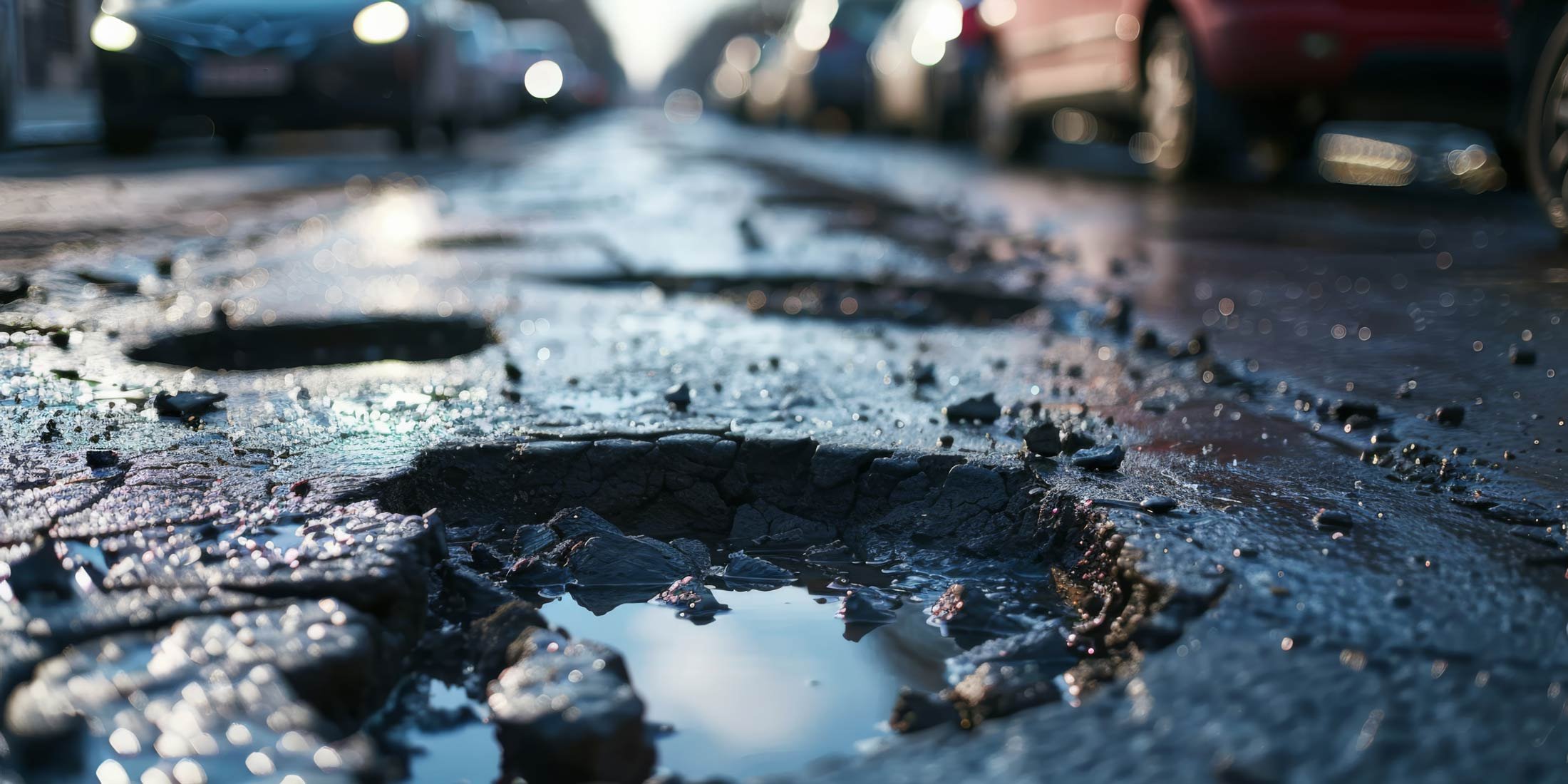
Spring Pothole Season in Northeast Ohio: What Drivers Should Know
While potholes may seem like little more than an inconvenience, they can cause serious vehicle damage and, in some cases, dangerous accidents that lead to injury.
As winter fades and temperatures begin to rise across Northeast Ohio, many drivers start to notice a familiar and frustrating problem—potholes.
After months of snow, ice, and repeated freeze-thaw cycles, roads often emerge from winter in rough shape. While potholes may seem like little more than an inconvenience, they can cause serious vehicle damage and, in some cases, dangerous accidents that lead to injury.
At Lipson O’Shea Legal Group, we often remind drivers that understanding your rights and responsibilities after a pothole-related incident can make a significant difference.
Why Potholes Are So Common in Spring
Potholes form when water seeps into cracks in the pavement. During the winter, that water freezes and expands, weakening the road surface. As temperatures fluctuate between freezing and thawing, the pavement continues to break apart. Eventually, traffic passing over the weakened areas causes the pavement to collapse, leaving behind the deep holes drivers know all too well.
Because Northeast Ohio experiences dramatic temperature swings in late winter and early spring, pothole season typically peaks during this time of year.
The Risks Potholes Create for Drivers
Striking a pothole can lead to much more than a rough ride. Depending on the size and speed of impact, potholes can cause:
Tire blowouts
Bent rims or wheel damage
Suspension damage
Loss of vehicle control
Collisions with other vehicles or roadside objects
In some cases, a driver may swerve suddenly to avoid a pothole, which can increase the risk of a crash involving nearby vehicles.
What to Do if a Pothole Causes Damage or an Accident
If your vehicle is damaged or you are involved in an accident caused by a pothole, taking a few steps immediately afterward can help protect your interests:
Document the scene. Take photographs of the pothole, the surrounding road conditions, and any damage to your vehicle.
Record the location. Note the exact street, intersection, or mile marker where the pothole is located.
File a report. Many municipalities allow residents to report potholes so they can be repaired.
Seek medical attention if needed. If you experience any injuries following an accident, it is important to seek prompt medical care.
Can a Government Agency Be Responsible?
Many people wonder whether the city, county, or state responsible for maintaining a roadway can be held liable for pothole-related damage or injuries. The answer depends on several factors.
In general, government agencies may only be held responsible if they knew or reasonably should have known about a hazardous road condition and failed to repair it within a reasonable period of time. Because of these legal protections, claims against municipalities can be complex and often involve strict procedures and timelines.
Stay Alert During Spring Driving
Potholes are an unfortunate reality of spring driving in Ohio. Slowing down, maintaining safe following distances, and remaining alert to road conditions can help reduce the risk of damage or accidents.
If you or a loved one has been injured in an accident related to hazardous road conditions, the experienced attorneys at Lipson O’Shea Legal Group can help you understand your legal options and determine the best path forward.
As Cleveland roads continue to recover from winter, a little awareness can go a long way in helping drivers stay safe this spring.
DUI Reduced to Reckless Op in Mayor’s Court – Language Barriers Didn’t Stop This Win
In a suburban Ohio mayor’s court, we successfully reduced a new U.S. citizen’s DUI charge to a minor traffic offense by highlighting language barriers and compelling mitigating factors, allowing the prosecutor to show empathy and preserve our client’s clean record after a single regrettable mistake.
We just got done getting a client's DUI case reduced in a suburban mayors court.
The client had some language barriers, and we were able to produce mitigating factors and other issues that allowed the prosecutor to have some empathy for the client and give the reduction.
This was important to the client because he's a recent citizen, and did not want to blemish his new arrival with a once in a lifetime mistake.
Client was very pleased.

Pipeline Explosion Lawsuit: Maintenance Company vs. Operator – What We Learned in Depositions
After four intense days of remote Zoom depositions in a major pipeline explosion case, the maintenance contractor and pipeline operator continue to point fingers at each other while we uncover critical details about the fiery blast that caused extensive damage to our client’s property.
We just got done with four days of depositions and a pipeline explosion case.
The people doing “maintenance” on a gas pipeline on our client's property claim that the pipeline “operator” was at fault, while the pipeline operator claims that the maintenance company was at fault.
We did these depositions all through zoom technology, which allowed the parties to testify from remote locations.
This is an extremely interesting case, and we are learning a lot about how natural gas and other types of oils are extracted from the ground and pipe through various land areas to where they are finally processed.
Lots of fiery explosion photos and lots of damage.
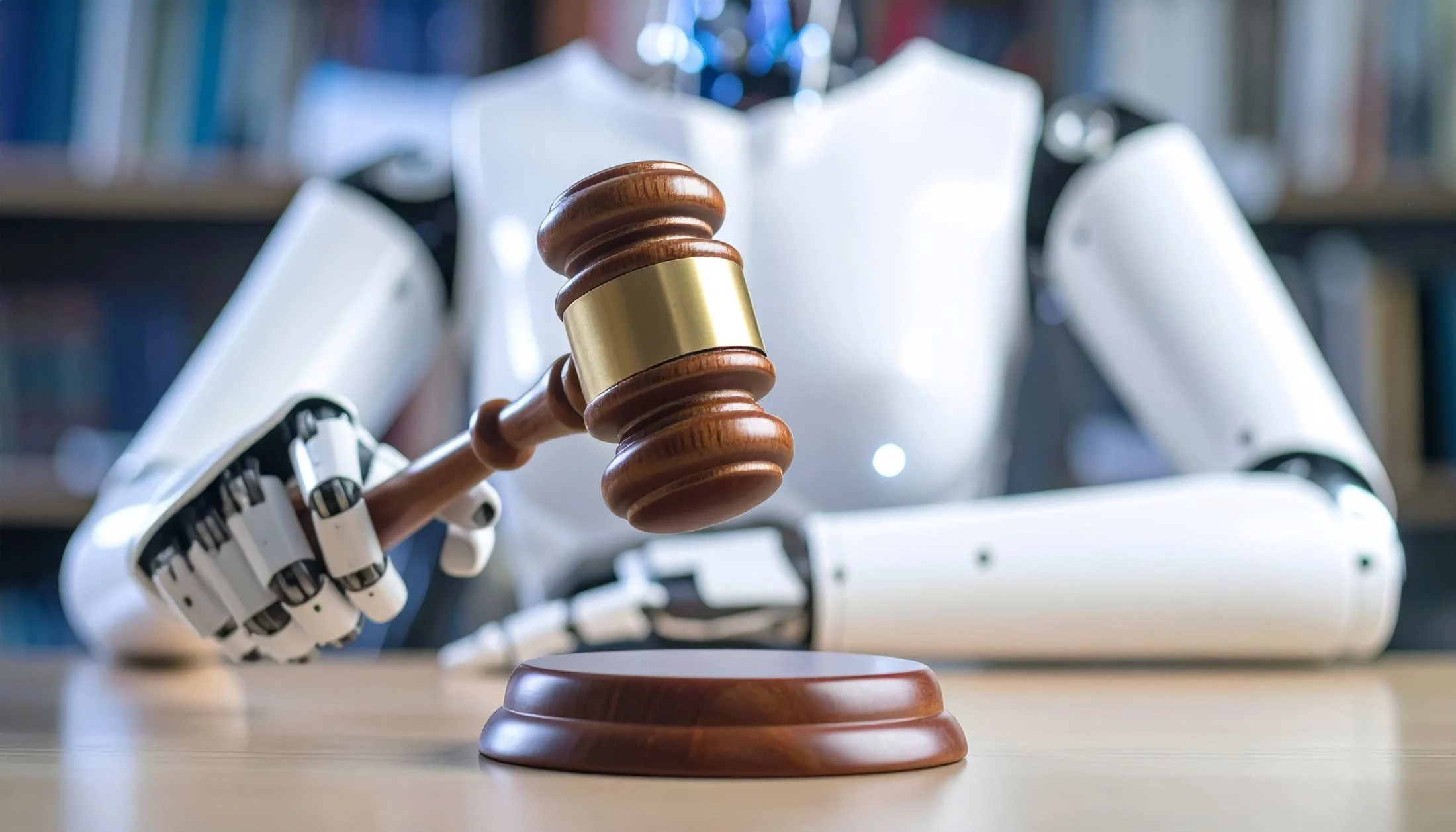
How Artificial Intelligence is Revolutionizing Legal Practice in 2026
Artificial intelligence is rapidly transforming legal practice by enabling lawyers to efficiently analyze and organize massive document sets, delivering faster, more cost-effective results for clients.
Our practice is constantly being exposed to new technology issues brought to us by artificial intelligence.
Artificial intelligence is making great strides into the legal community, including assisting lawyers in analyzing huge sets of documents.
This technology may assist us in better organizing large amounts of data that we need to process for our clients.
This will obviously save our clients much money and time. Stay tuned for details on these important developments
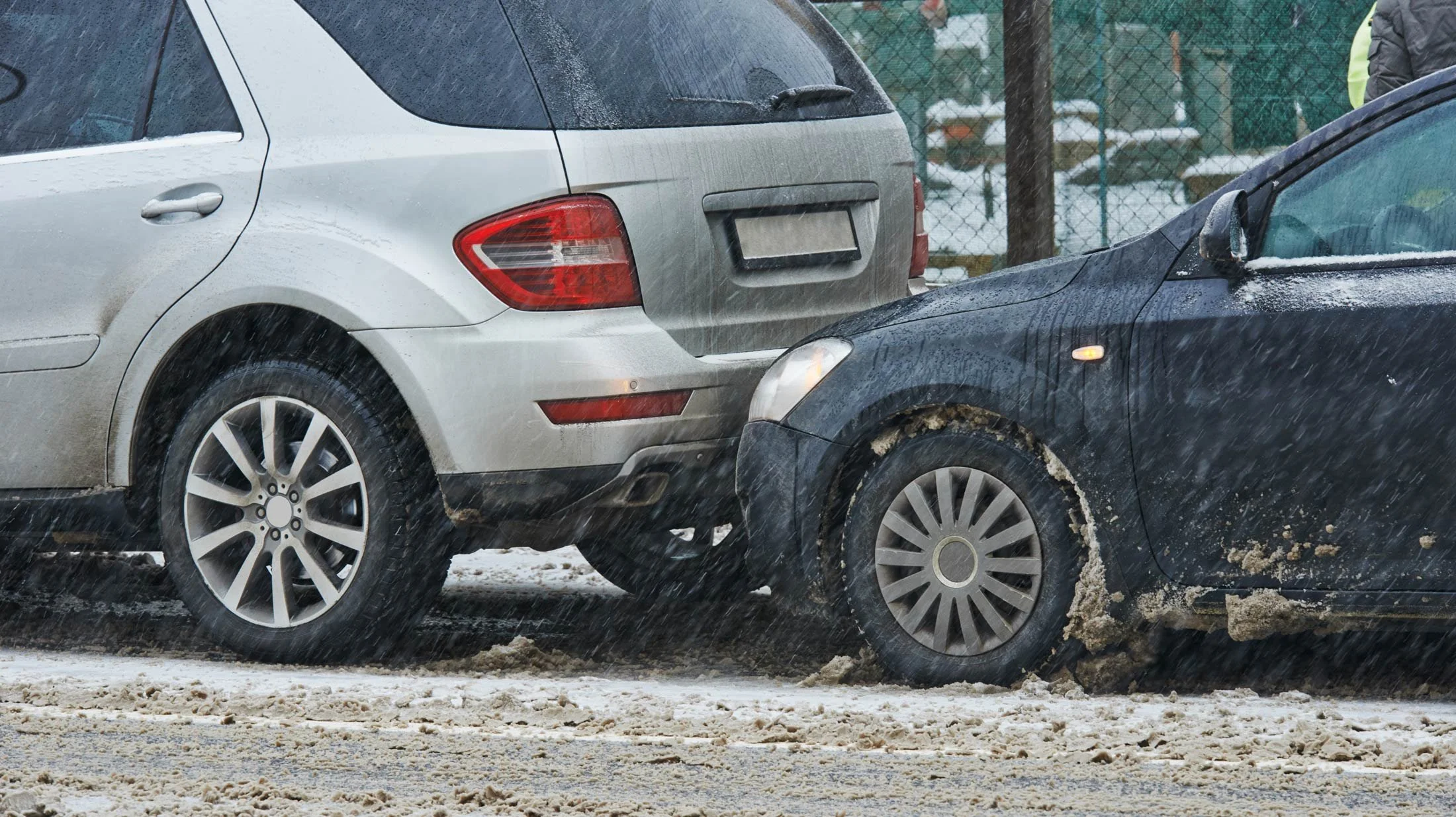
Staying Safe on Icy Roads: What to Do After a Winter Car Accident
If you’re ever involved in a winter car accident, knowing what to do in those first moments can make all the difference for your safety, your recovery, and your legal rights. Here’s a clear, step-by-step guide to help keep you protected.
Winter in Northeast Ohio brings beauty — but also unpredictable and hazardous driving conditions.
When snow, sleet, and black ice cover the roads, even the most experienced drivers can find themselves sliding, losing control, or involved in a collision.
Unfortunately, winter weather contributes to thousands of crashes across the state every year, many of which occur suddenly and without warning.
If you’re ever involved in a winter car accident, knowing what to do in those first moments can make all the difference for your safety, your recovery, and your legal rights. Here’s a clear, step-by-step guide to help keep you protected.
1. Prioritize Safety First
After an icy-road accident, the scene can be chaotic — especially if visibility is low or other drivers are also struggling to stop. Your first priority is ensuring your safety and the safety of your passengers.
Check yourself and your passengers for injuries.
If your vehicle is operable, move it to a safe location away from traffic if possible.
Turn on your hazard lights immediately.
Set out flares or reflective triangles if you have them and it’s safe to do so.
If anyone is injured or the vehicles cannot be safely moved, call 911 right away.
2. Call Law Enforcement
Winter-weather collisions often involve multiple vehicles, unclear fault, or road conditions that complicate the scene. A police report is essential.
Law enforcement can:
Document the conditions
Collect statements
Help determine contributing factors
File an official report needed for insurance claims or legal action
Even if the damage seems minor, a report protects you later if injuries develop or disputes arise.
3. Document the Scene Thoroughly
Icy-road accidents can be caused by a combination of factors — and the more information you gather, the stronger your case will be if you need to file a claim.
Take photos or videos of:
Damage to all vehicles
Road conditions (snow, slush, ice patches, unplowed areas)
Skid marks or lack of skid marks
Weather (fog, snowfall, low visibility)
Traffic signs or signals nearby
Any injuries
If witnesses are present, ask for their names and contact information.
4. Exchange Information — Carefully
Exchange standard information with the other driver(s):
Name and contact details
Insurance company and policy number
Vehicle make, model, and license plate
Keep the conversation brief and avoid admitting fault, even casually. Accidents on snow and ice are complex, and fault is not always clear in the moment.
5. Seek Medical Attention, Even If You Feel “Fine”
Adrenaline can mask injuries — a common issue after winter accidents. Conditions such as whiplash, concussions, or soft-tissue injuries may not appear until hours or days later.
Prompt medical care:
Protects your health
Creates documentation connecting injuries to the accident
Strengthens your claim if you pursue compensation
6. Notify Your Insurance Company
Report the accident as soon as possible. Provide the facts, but avoid speculation.
If you’re unsure how to communicate with your insurer after a winter crash, an attorney can help prevent you from making statements that may work against you.
7. Understand How Ohio Law Handles Winter Accidents
Drivers are required to maintain control of their vehicle — even in winter weather. However, factors such as poorly maintained roads, negligent driving by others, or sudden ice patches (“black ice”) can contribute to a collision.
A personal injury attorney can help determine:
Whether another driver was negligent
Whether a municipality or property owner may share liability (e.g., poor plowing or untreated surfaces)
Whether you’re entitled to compensation for medical bills, repairs, lost wages, or pain and suffering
8. Contact a Personal Injury Attorney for Guidance
Navigating the aftermath of an icy-road accident can be overwhelming — especially when injuries or insurance disputes arise. An experienced attorney can help you understand your rights, communicate with insurers, gather evidence, and pursue the compensation you're entitled to.
Lipson O’Shea Legal Group Is Here to Help This Winter
If you’ve been injured in a winter car accident, you don’t have to navigate it alone. The attorneys at Lipson O’Shea Legal Group have decades of experience helping Northeast Ohio residents recover physically, financially, and emotionally after cold-weather collisions.
We’re here to stand by your side — and help you move forward.

A Safe Start to the New Year: Legal Tips for Families & Business Owners
While financial, health, and personal resolutions are common, the start of the year is also an ideal time to take stock of your legal readiness — both at home and in your business.
As the holiday season winds down and a new year begins, many of us shift our focus to planning, organizing, and setting goals.
While financial, health, and personal resolutions are common, the start of the year is also an ideal time to take stock of your legal readiness — both at home and in your business.
At Lipson O’Shea Legal Group, we view January not just as a fresh start, but as an opportunity to help families and business owners strengthen their protections, prevent disputes, and enter the new year with confidence. Below are practical steps you can take now to safeguard your rights, your property, and your peace of mind.
For Families: Start the Year Legally Prepared
1. Review Your Insurance Coverage
Winter weather and holiday travel can bring unexpected risks. Now is a good time to confirm:
Auto insurance coverage limits
Homeowners or renters policy details
Personal injury protection
Umbrella liability coverage
A quick review can save you from major headaches should an accident or injury occur.
2. Update Estate Documents & Emergency Contacts
Life changes quickly — births, divorces, new homes, aging parents. If any major events happened in the last year, consider updating:
Wills
Power of attorney
Healthcare directives
Beneficiary designations
Even small updates help ensure your wishes are clear and legally enforceable.
3. Know Your Rights on the Road
Snow, ice, and post-holiday enforcement lead to spikes in traffic stops and winter accidents. Protect yourself by understanding:
What to do after a collision
Your rights during a traffic stop
Steps to take if you’re injured due to negligence
Preparation makes a critical difference when emotions are high and conditions are hazardous.
4. Resolve Lingering Family or Custody Disputes
The holidays often heighten tension. If custody, support, or parenting-time issues arose in December, the new year is the right moment to seek:
Mediation
Updated court orders
Legal guidance to protect your child’s best interests
Addressing these matters early helps create stability and clarity for the year ahead.
For Small Business Owners: Build a Legally Strong Year
1. Review Contracts, Leases & Vendor Agreements
January is a natural contract checkpoint. Assess:
Expiring agreements
Underperforming vendors
Updated pricing or service scopes
New employee or subcontractor relationships
Clear, up-to-date documentation helps prevent disputes down the road.
2. Audit Employment Policies for 2026
Whether you manage five employees or fifty, the new year is an ideal time to ensure your handbook and procedures reflect current laws on:
Wage and hour compliance
Overtime rules
Remote work expectations
Anti-harassment policies
Temporary or seasonal employees
Strong policies reduce risk and create a safer, more consistent work environment.
3. Prepare for Winter Liability Issues
Snow and ice dramatically increase slip-and-fall risks for employees, customers, and delivery partners. Businesses should:
Inspect walkways and parking areas
Document snow and ice removal procedures
Review liability coverage
Implement signage and safety measures
A proactive approach can prevent injuries — and protect your business from costly claims.
4. Resolve Ongoing Disputes Early
Disagreements with partners, customers, landlords, or competitors rarely resolve on their own. Early intervention can prevent:
Litigation
Revenue loss
Business disruption
A consultation with a business litigation attorney can clarify your options and help you chart a smart course forward.
Start the New Year with Confidence
Legal preparedness isn’t just for emergencies — it’s an important part of protecting your family and strengthening your business. With a few intentional steps, you can reduce risk, avoid conflict, and set the tone for a successful and secure year ahead.
If you have questions about your rights, your documents, or a situation you’re navigating, Lipson O’Shea Legal Group is here to help you start the new year on steady footing.
Contact us today to schedule a consultation and ensure 2026 is your safest, strongest year yet.
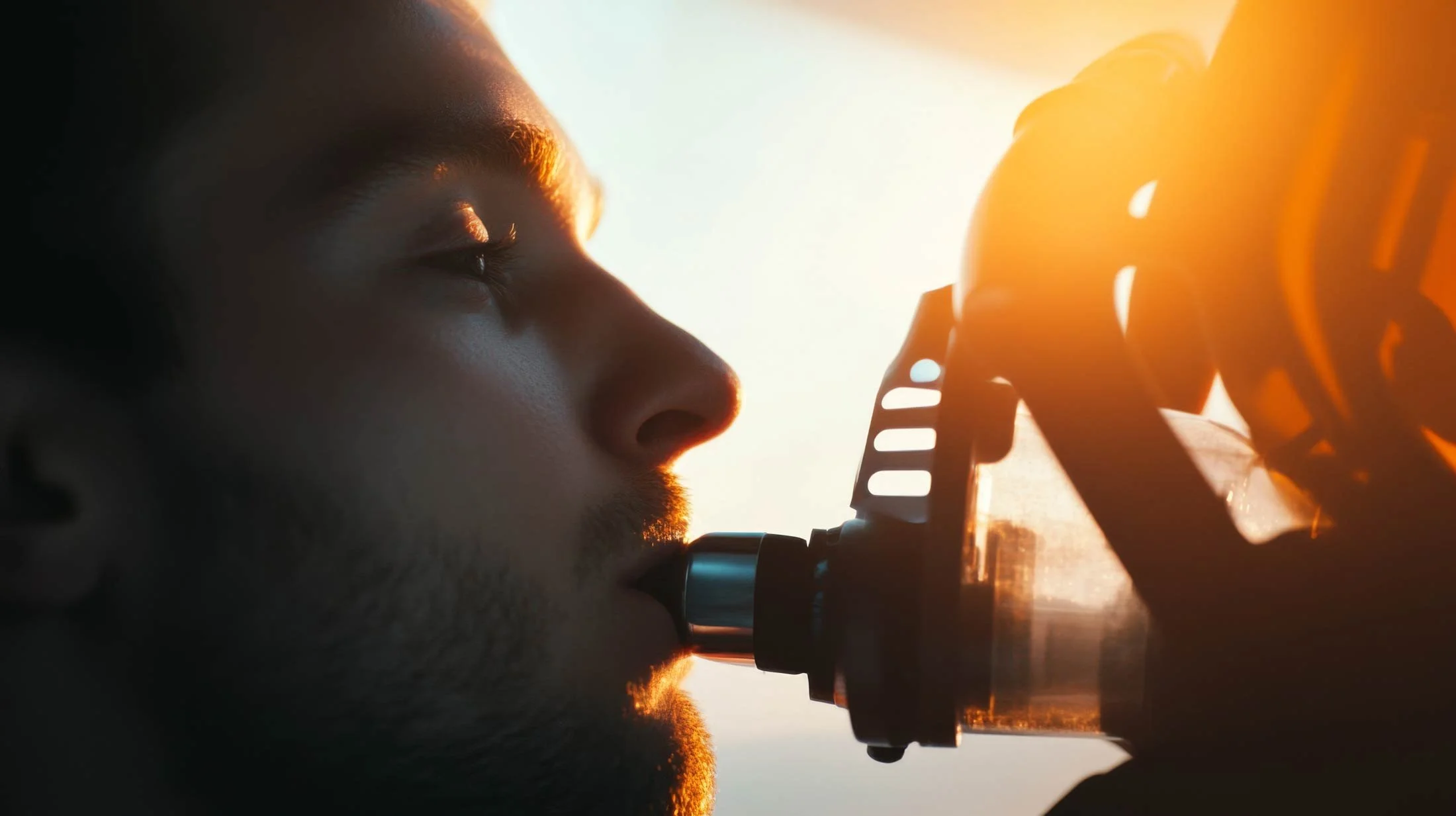
Increased Police Patrols During the Holidays: Your Rights in a Traffic Stop
From Thanksgiving through New Year’s Eve, police departments and the Ohio State Highway Patrol traditionally increase their presence with targeted patrols and additional sobriety checkpoints aimed at preventing impaired driving.
The holiday season brings celebrations, family gatherings, and travel — but it also brings a significant increase in law enforcement activity on Ohio’s roads.
From Thanksgiving through New Year’s Eve, police departments and the Ohio State Highway Patrol traditionally increase their presence with targeted patrols and additional sobriety checkpoints aimed at preventing impaired driving.
While these efforts are intended to keep communities safe, they also result in more traffic stops — many of which have nothing to do with impaired driving. Whether you’re traveling to a holiday party or heading out for seasonal shopping, it’s important to understand your rights and your responsibilities if you are stopped by law enforcement this time of year.
Why Police Presence Increases During the Holidays
Statistics consistently show a spike in alcohol-related incidents between late November and early January. To reduce preventable injuries and fatalities, officers focus on:
DUI/OVI enforcement
Speeding and aggressive driving
Distracted driving
Seatbelt compliance
Late-night patrols near restaurants and entertainment districts
While these strategies may reduce crashes, the increased volume of stops can also lead to misunderstandings, rights violations, or escalated legal consequences for drivers who are unsure how to navigate the situation.
Your Rights During a Traffic Stop
Even during heightened enforcement, your constitutional rights remain the same. Knowing them can help you stay calm, safe, and legally protected.
1. You Have the Right to Remain Silent
You must provide your name, driver’s license, registration, and proof of insurance — but you do not have to answer questions like:
“Have you been drinking?”
“Where are you coming from?”
“Where are you headed?”
Politely stating, “I prefer not to answer questions,” is enough.
2. You Have the Right to Decline Vehicle Searches
Officers need your permission, probable cause, or a warrant to search your vehicle.
You may respectfully state:
“I do not consent to a search.”
3. You Have the Right to Ask if You're Free to Leave
If you are not being detained or arrested, you can ask:
“Am I free to go?”
If the officer says yes, you may leave calmly and safely.
4. You Have the Right to Legal Counsel
If you are arrested, you do not have to answer questions without an attorney present.
Invoke this right clearly:
“I want to speak with an attorney.”
What to Expect if Asked to Perform Field Sobriety Tests
During holiday patrols, officers may request:
Horizontal gaze nystagmus (eye test)
Walk-and-turn test
One-leg-stand test
These tests are voluntary in Ohio. Politely declining cannot be used as evidence of guilt — but refusing a chemical breath test after arrest may carry administrative penalties under Ohio’s implied consent laws.
How to Protect Yourself During a Holiday Traffic Stop
Stay calm and respectful — confrontational behavior can escalate even routine stops.
Keep your hands visible and avoid sudden movements.
Do not admit to wrongdoing — statements can be misinterpreted or used against you.
Document the interaction as soon as you’re able. Write down:
Patrol car numbers
Officer names
Time and location
Any statements made
If you believe your rights were violated, an attorney can review these details to determine your options.
When to Contact an Attorney
If you are charged with DUI/OVI or feel you were treated unfairly during a holiday traffic stop, contacting experienced legal counsel is essential. Cases that occur during “high enforcement” periods often move quickly — and mistakes made early in the process can affect the outcome.
Lipson O'Shea Legal Group has decades of experience defending individuals facing DUI, traffic, and criminal charges across Northeast Ohio. We understand the complexities of holiday enforcement patterns and know how to protect your rights when it matters most.
We’re Here to Help — Even During the Busiest Time of Year
The holidays should be a time of joy, not legal stress. If you find yourself in a difficult situation on the roadway this season, our team is here to help you navigate the process with clarity, compassion, and trusted legal support.
Contact Lipson O’Shea Legal Group anytime for a confidential consultation.

$24,000 Attorney Fee Demand Slashed to $6,000 in Divorce Case Victory
We recently defended a divorce motion that requested a huge amount of attorney fees (our client had indeed stubbed their proverbial toe in not complying with a court order).
We recently defended a divorce motion that requested a huge amount of attorney fees (our client had indeed stubbed their proverbial toe in not complying with a court order).
The movant had requested $24,000 in attorney fees and had demanded for settlement purposes that our client pay around $15,000 in fees.
We defended the fees hearing and suggested something in the area of $6,000.00 (25% of the demand – we could not argue un good faith zero).
The Court agreed with us.
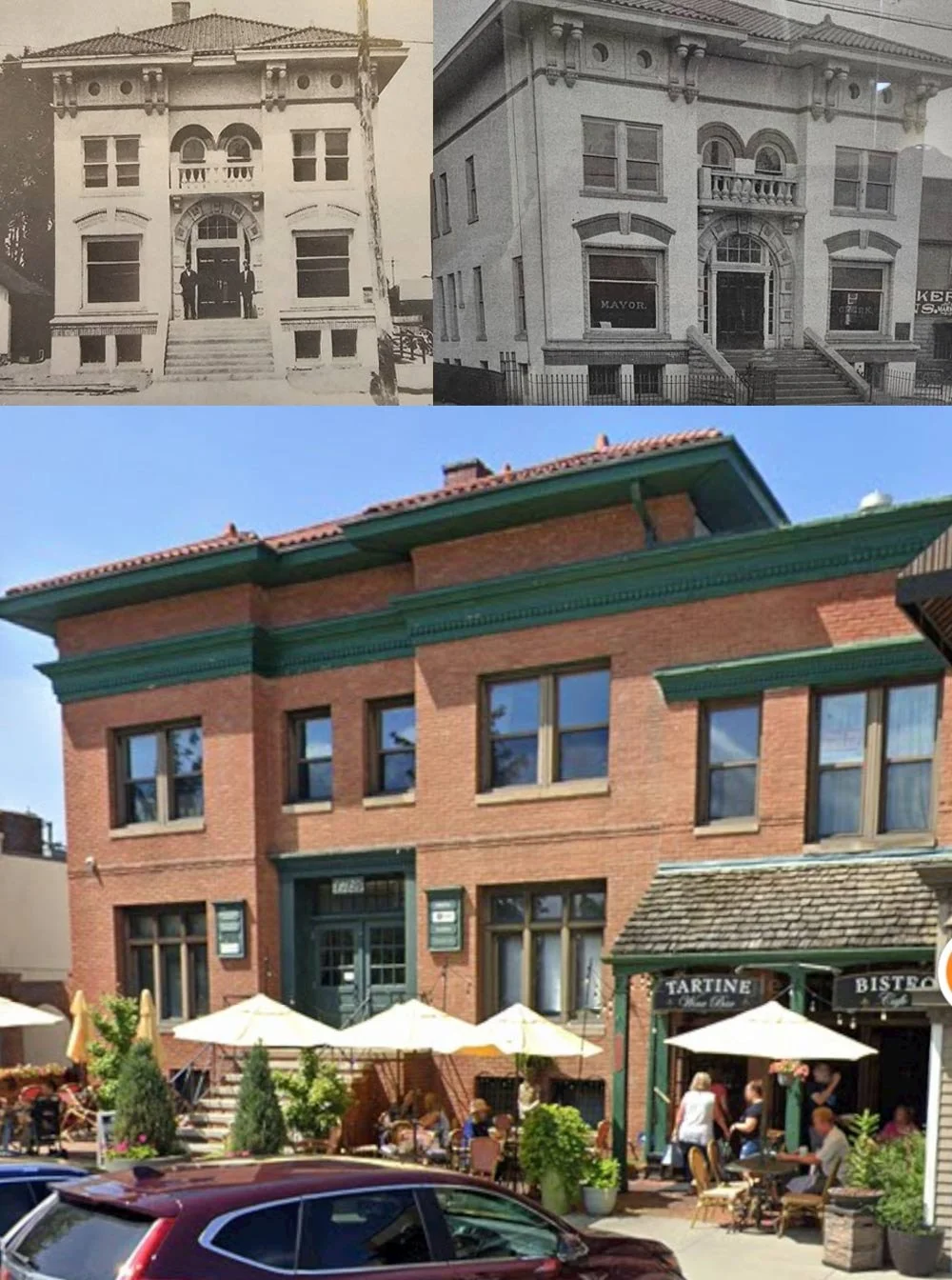
We’ve Moved! Lipson O’Shea Legal Group Has Relocated to Rocky River
Our new home, known today as the Old River Building, carries a rich history. Once the Rocky River City Hall in the 1930s and 40s, this building has long been a cornerstone of the community.
At Lipson O’Shea Legal Group, we’ve always been committed to serving our clients with excellence, care, and accessibility.
That’s why we’re excited to share some big news: we’re moving our offices from Downtown Cleveland to the historic Old River Road in Rocky River, Ohio!
Beginning September 1, 2025, you’ll find us at our new address:
19120 Old Detroit Road, Suite 200
Rocky River, Ohio 44116
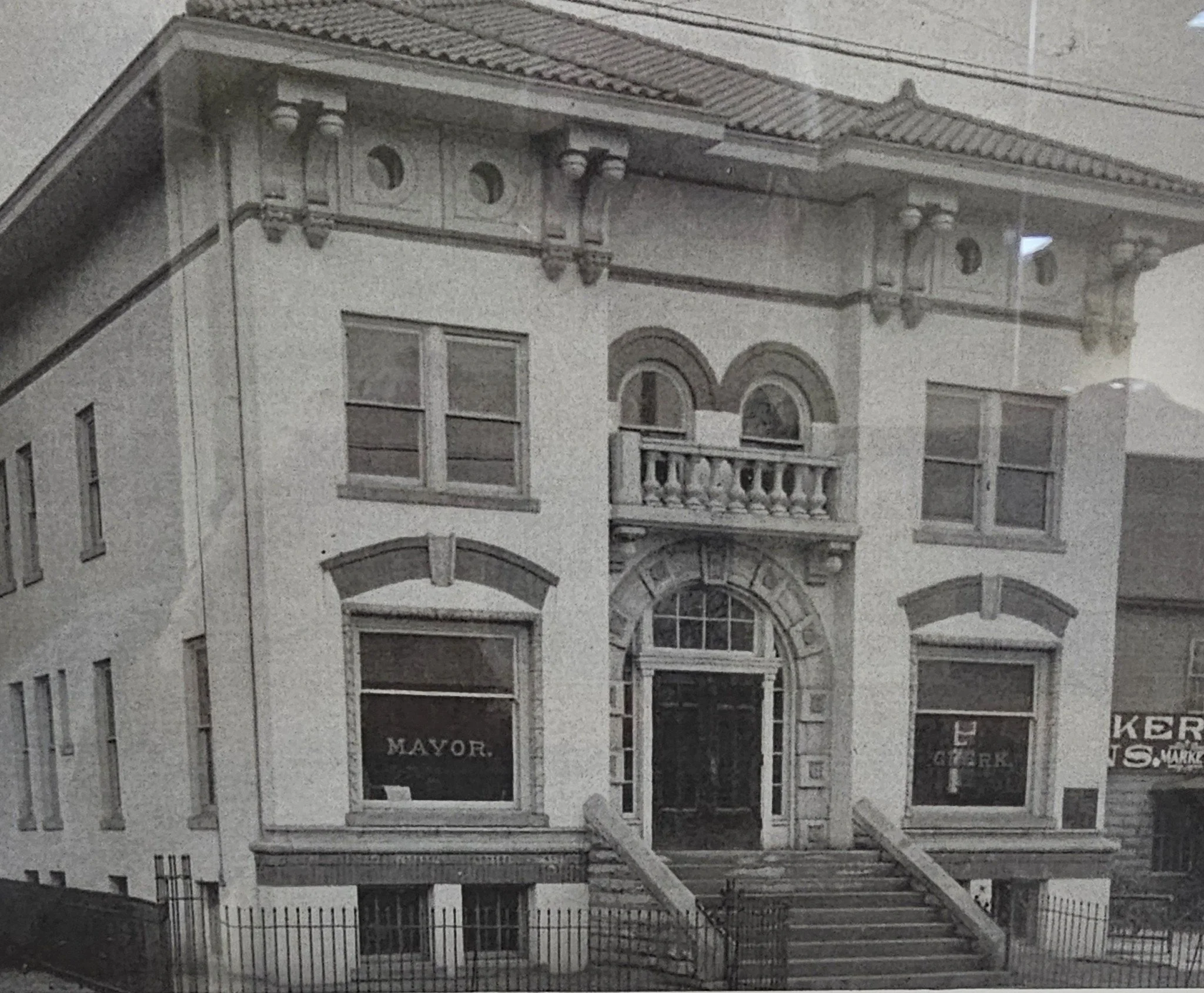
Our new home, known today as the Old River Building, carries a rich history. Once the Rocky River City Hall in the 1930s and 40s, this building has long been a cornerstone of the community. It now also houses the well-known Tartine Bistro, making it a lively and welcoming location.
Why the Move?
While our time in Cleveland’s Warehouse District has been meaningful, we wanted to provide our clients and employees with a more convenient experience. One of the biggest advantages of our new location is free and easily accessible parking—no more downtown parking hassles or long walks to our office.
We believe this change will make every visit to Lipson O’Shea more efficient and enjoyable.
What’s Staying the Same
Though our address is changing, everything else remains the same:
Our phone numbers and contact information will not change.
Our commitment to our clients remains stronger than ever.
We look forward to continuing to provide trusted legal services in DUI/DWI defense, family law, personal injury, and small business litigation—now from our new Rocky River office.
Stay Tuned for Our Open House
To celebrate this exciting transition, we’ll soon be hosting an open house event at our new location. It will be a chance to tour our new space, connect with our team, and celebrate the next chapter of Lipson O’Shea Legal Group together.
We can’t wait to welcome you to our new home in Rocky River!

Cleveland DUI Reduced to Physical Control: Favorable Outcome for First-Time Offender
We also obtained a different DUI reduction for a client in another Cleveland suburb.
We also obtained a different DUI reduction for a client in another Cleveland suburb.
In that case, the DUI was reduced to what is called a physical control – far less that a regular DUI.
This first-time DUI client was also very pleased.

DUI Victory: Major Reduction Secured for First-Time Offender in Cleveland Suburb
The client had a very high blood alcohol reading which would have normally mandated at 7 day jail sentence.
We recently obtained another DUI reduction for a client in a Cleveland suburb.
The client had a very high blood alcohol reading which would have normally mandated at 7 day jail sentence.
However, we were able to achieve a considerable reduction which required only that the client complete a 3-day hotel driving intervention program.
This went very well for this first time offender.

When Clients Ignore Advice: A Tough Lesson from a Federal Case
This client had a very long and tortured criminal history, and simply ignored our repeated requests to conduct himself to the Court in a way that would significantly reduce his sentence – but he would not.

We had some imperfect results this month for a federal client.
This client had a very long and tortured criminal history, and simply ignored our repeated requests to conduct himself to the Court in a way that would significantly reduce his sentence – but he would not.
His case reminds us that no matter how hard we work on a case for some clients, they just will not follow our simple suggestions.
Sometimes there is nothing we can do.

Personal Injury Concerns for Those Working in The Great Outdoors
The warm weather and longer days create an ideal environment for outdoor work and leisure, but they also bring an increased risk of personal injury cases.

As summer arrives in Northeast Ohio, outdoor activities and employment opportunities flourish, particularly in industries like construction, landscaping, agriculture, and recreation.
The warm weather and longer days create an ideal environment for outdoor work and leisure, but they also bring an increased risk of personal injury cases.
In the construction and landscaping sectors, the summer months are the busiest. Workers are exposed to high temperatures, heavy machinery, and potentially dangerous environments. Common factors contributing to injuries include inadequate safety training, equipment failures, and the pressure to complete projects quickly. Similarly, in agriculture, the rush to harvest crops can lead to long hours and fatigue, raising the likelihood of accidents.
Recreational activities, such as boating, hiking, and sports, also see a spike during the summer. These activities, while enjoyable, come with inherent risks. Improper equipment use, lack of safety gear, and crowded recreational spots can result in accidents ranging from minor injuries to severe trauma.
From the perspective of a personal injury law firm in Northeast Ohio, it's crucial to address these risks proactively. Businesses should implement comprehensive safety training programs and ensure that all equipment is regularly inspected and maintained. Workers should be encouraged to take breaks and stay hydrated to prevent heat-related illnesses and fatigue.
For individuals, wearing appropriate safety gear, following safety guidelines, and staying vigilant can significantly reduce the risk of injury. In recreational settings, using well-maintained equipment and choosing less crowded areas for activities can help prevent accidents.
By taking these preventive measures, both individuals and businesses can mitigate potential issues, ensuring a safer and more enjoyable summer season for everyone.