
Cleveland Leaders Failed to Protect Children from Lead Poisoning
As reported in ground-breaking articles by the Plain Dealer, 10,000 children, most of them in Cleveland, have been lead poisoned over the last five years.

As reported in ground-breaking articles by the Plain Dealer, 10,000 children, most of them in Cleveland, have been lead poisoned over the last five years.
It was recently discovered that East Cleveland and other local communities have been severely negligent in enforcing anti-lead poisoning laws to ensure there is more screening and protection for children living in Cleveland. The Ohio Department of Health was also found to have turned a blind eye to this critical problem.
“Our practice is dedicated in large measure to representing people who are injured by lead poisoning, which is 100% preventable. We wish the City would dedicate more resources to preventing it and to following-up on lead paint problems,” says Michael O’Shea.
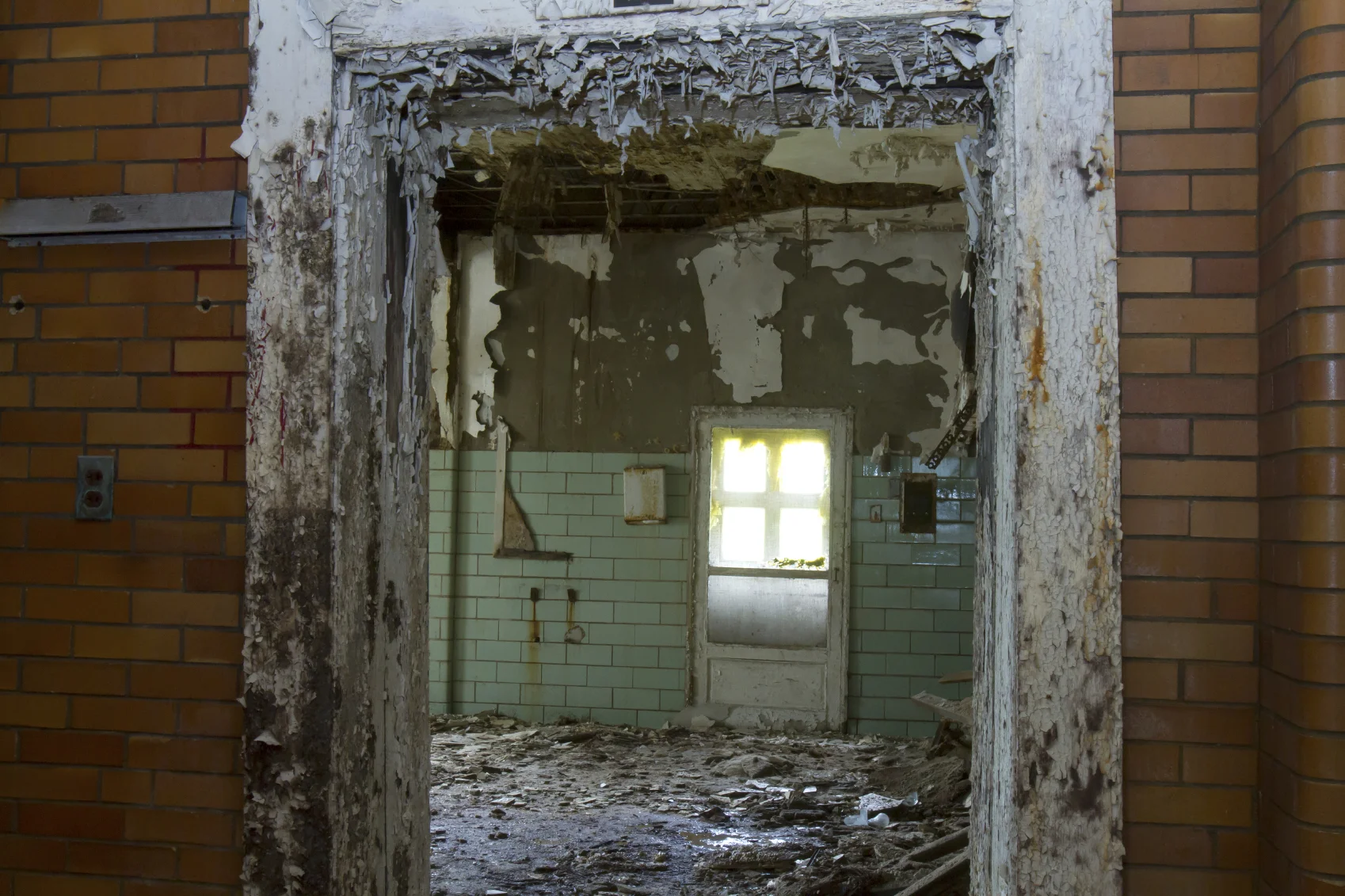
According to Plain Dealer reporters Zeltner and Dissell, the problem of lead poisoning hits Cleveland and older cities hard because of the age of homes. Most of Cleveland's housing was built before 1978, when lead paint was not monitored. And the magnitude of the problem is significant: An unpublished 2015 study conducted by Case Western Reserve University revealed that 78 percent of 620 youngsters who enrolled in the county's universal pre-kindergarten program tested positive for lead in their bloodstreams.
“I am proud to say that our firm has been successfully battling lead poisoning issues for over 20 years. We do more of this type of litigation than anyone else in Ohio. Landlords always have the same defense and excuses for the dangers they know about (and don't care), that they place their young tenants in,” states O’Shea.
HUD funding granted for lead hazards in Akron and Cleveland
The Plain Dealer recently reported on HUD grants totaling $6.6 million that will be used to assess and clean 470 housing units located in Cleveland and Akron.
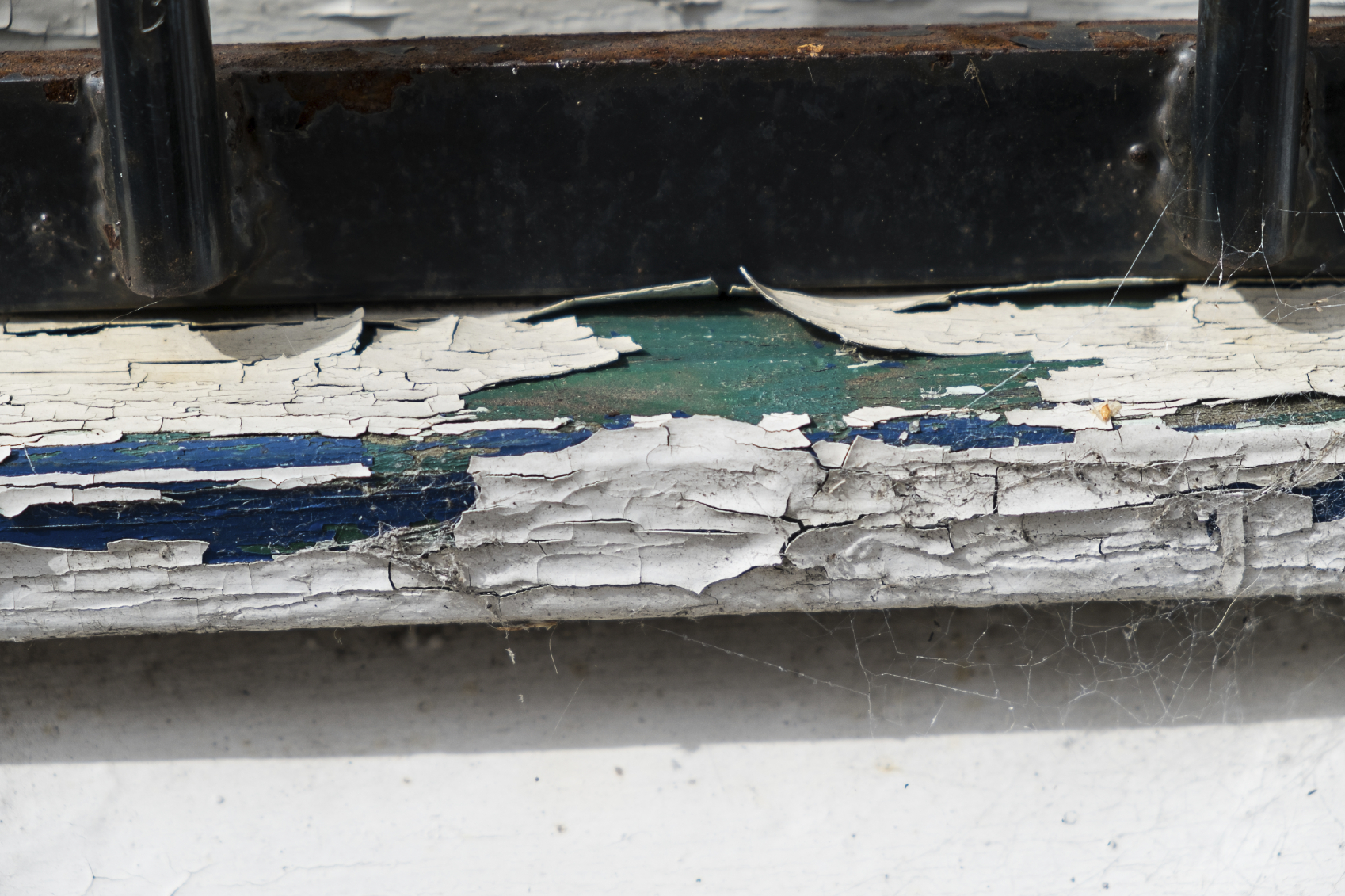
Peeling paint inside and out of older homes is a primary source of lead exposure for children.
The Plain Dealer recently reported on HUD grants totaling $6.6 million that will be used to assess and clean 470 housing units located in Cleveland and Akron.
With $3.3 million going to each city, the clean up efforts will be a significant step for Cleveland, as it has not received HUD funding for lead abatement in almost three years.
This funding will bring the greatest relief to children living in these homes, as lead poses the greatest threat to young children.
As stated in The Plain Dealer, “In the city of Cleveland, of the 14,389 children screened for lead in 2013, about 1,900 had levels higher than the Centers for Disease Control and Prevention's threshold of 5 micrograms per deciliter of blood. More than 700 children had lead levels higher than 10 micrograms per deciliter, and 44 children had levels higher than 25 micrograms per deciliter.”
These HUD grants demonstrate a step to rectify this significant problem, with the ultimate goal of eliminating lead exposure throughout the cities. There is still much work to be done, as it is estimated that thousands of homes still pose potential risks for lead exposure, the greatest threat being homes built before 1978.
New Orleans Children Suffer from Lead Poisoning
Children In New Orleans suffer from five times the federal guidelines for lead in their blood.

Children In New Orleans Suffer From Five Times The Federal Guidelines For Lead In Their Blood
Featured in National Geographic as “one of the best documented environmental health threats to children,” neighborhoods in New Orleans are now taking measures to decrease levels of lead in their children's blood.
Many children have registered with alarmingly high levels of lead in their blood. Lead has been discovered in abundance among playgrounds, homes and daycares throughout New Orleans.
Dangerous lead concentrations were recently discovered in the yards of almost two-thirds of New Orleans homes that were tested. In screenings done in 2013 alone, nearly a thousand children six years and younger—15 percent—had levels high enough to be deemed lead poisoning, according to the Louisiana Department of Health and Hospitals.
Linked to lower IQs, learning disabilities, attention problems, and other neurological effects, the City can’t move fast enough to eradicate this lead being exposed to children.
Before Katrina, more than 100,000 New Orleans homes had been built before 1950; an estimated 83 percent of them contained lead hazards. Before Katrina roughly half of kids tested in neighborhoods with highly contaminated soil had lead poisoning, according to Tulane University researcher Howard Mielke, who has studied the effects of lead on children's health for more than 40 years.
Three years after the hurricane, the rate had dropped to about 30 percent of kids in those same neighborhoods. In areas with less-contaminated soil, it declined even more—from roughly 25 percent before Katrina to 7.5 percent afterward.
Statewide, there was no apparent decline in lead poisoning.

Lead poisoning exposure early in life increases risk for criminal activity
Recent studies show that children who suffer from lead poisoning may also be more likely to engage in criminal activity as adults.

It is understood that lead poisoning poses great risks and can have life-long effects on children, but recent studies show that children who suffer from lead poisoning may also be more likely to engage in criminal activity as adults.
In a study by the University of Cincinnati, researchers found that, “lead sowed the seeds of their future," said Kim Dietrich, a neuropsychologist who has been following the group of nearly 300 people since they were born in the late 1970s. "It isn't conducive to behavior we associate with normal development, making smart decisions and success."
Featured in the Chicago Tribune, the study noted, “For those who had been exposed to lead as toddlers, even in small amounts, the MRI scans revealed changes that were subtle, permanent and devastating. The toxic metal had robbed them of gray matter in the parts of the brain that enable people to pay attention, regulate emotions and control impulses.”
Last month, a Tribune investigation found lead hazards in the same areas known for having high crime rates in Chicago. The importance of lead testing and prevention is not only beneficial and necessary for the health of the residents living in those areas, but also essential to prevent future crime rates from increasing in the neighborhoods.

Using old toys may cause risk of lead poisoning exposure

Young children are at the highest risk for lead poisoning, but linking vintage toys to this threat is a new one.
“High levels of lead in used toys may be of concern to many parents as day cares and other centers may be using vintage toys.”
A study found lead, cadmium and even arsenic in an alarmingly high number of plastic toys made in the 1970s and 1980s.
One in four toys contained more than 10 times current safety limits for lead; a third of non-vinyl toys violated standards for both lead and cadmium; and a fifth contained arsenic.
Researchers from St. Ambrose University conducted this study and noted, "The developing brains and bodies of infants and young children are especially vulnerable to toxic exposures because they absorb and retain lead more efficiently than adults."
While many may find it to be cost effective and even beneficial to use old toys passed down through the generations, doing this can potentially increase your child’s risk of lead poisoning.

Lead poisoning poses the greatest threat to children
At least four million households have children that are being exposed to high levels of lead,

At least four million households have children that are being exposed to high levels of lead.
The number one environmental health risk to kids is found in their home.
At least four million households have children that are being exposed to high levels of lead, states Dr. Wornie Reed, Director of the Race and Social Policy Research Center.
Approximately half a million children ages one to five living in the United States have blood levels above what the CDC considers to be safe. While lead poisoning is completely preventable if proper steps are taken, once it is diagnosed it is incurable.
Most homes built before 1978 have some lead-based paint in them. Often that paint is covered with layers of newer paint. But if paint is peeling, chipping or cracking, it's a significant health threat.
Young children are at an increased risk of exposure as they can ingest the poison while crawling on floors contaminated by paint dust, and often put their hands in their mouths.
The Environmental Protection Agency warns that particles the size of two grains of sugar per day, ingested over a month, can cause impairment.
While it is the most preventable environmental disease facing young children in the United States, the risks associated with lead poisoning cannot be understated. It is essential for parents to obtain legal counsel to provide assistance for these permanent injuries.
If you know of a child that has been the victim of lead poisoning, please call us immediately at 800-529-1966. We have handled many lead poisoning cases and have lead the charge in Ohio for the last 20 years in lead poisoning cases.
Lead Poisoning Victory for Us and Poisoned Children

Our firm recently won a big appeal at the Cuyahoga County Court of Appeals. We had attempted to secure vital information under the Ohio Public Records Act concerning the work being done (or not done) by the Cuyahoga County Board of Health in the area of lead poisoning prevention. The Board of Health had refused to release ANY records concerning their duties - claiming that they were protected by Ohio law from disclosing their work. The Court of Appeals disagreed - and stated, in part: "In this case, the BOH is currently operating a lead hazard control and health homes program under a $3.4 million federal grant and 'endeavors to pursue elimination of lead hazards each year.' Affidavit of BOH Commissioner Terry Allan, ¶ 16. Release of the requested information could likewise help to hold the BOH accountable for its duty and promise to reduce lead-related hazards in Ohio’s largest county and reveal its successes or failures in doing so, also without requiring the release of prohibited information."
In short, the opinion stated that we (the persons requesting the records) serve a vital public purpose by holding public entities "accountable" for the public duties imposed upon them. Hopefully, we will get the records soon and we (and you) will know what they have been doing with the public money designed for lead poisoning prevention.
Stay tuned.